
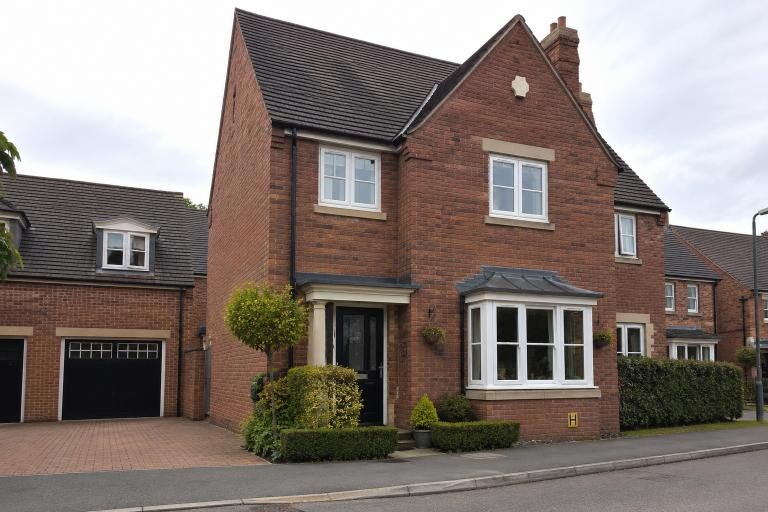
2026 is going to be a year of change for the Chester property market as mortgage conditions, buyer behaviour and confidence in the North West economy all change. “Anyone looking to buy, sell or invest in this historic city needs to understand the forces of change.” Information from a range of sources suggests the property market in Chester is entering a new phase of steady and sustained growth. Chester estate agents are reporting a noticeable pick-up in activity in their market, a change from the conservative environment seen in 2023 and 2024.
National Headwinds But a Strong Market
Chester has routinely surpassed many similar UK cities on pricing stability. The average property price in Cheshire West and Chester local authority area was £268,000 in February 2026, up 3.7% on the previous year, according to the Office for National Statistics (ONS) UK House Price Index. This is above the wider North West average growth rate of 3.4% in the same period, meaning Chester is holding its own in a competitive regional market.
The growth was driven by semi-detached homes, with a 4.8% price rise in the year to February 2026. Flats, on the other hand, stayed flat. That split mirrors a broader national dynamic, with purchasers still looking for room and flexibility — a tendency that started during the pandemic and hasn’t materially shifted.
House prices in Chester are also 4.93% higher than they were in January 2023, despite projections from prominent organizations in late 2022 predicting a significant crash with declines of between 8% and 15%. Real market data paints a very different picture of resiliency.
What’s Behind the 2026 Shift?
Mortgage Rate Volatility
One of the key drivers of market activity in 2026 is the slow retreat of mortgage rates from the highs of late 2022. A 70% loan-to-value five-year fixed-rate mortgage is at around 3.72%, while first-time buyers with a 5% deposit may secure rates of around 4.53%. These numbers are a huge step in the right direction in terms of affordability and have helped to increase buyer confidence immediately.” If the Bank of England continues its base rate cutting cycle into the second half of 2026, further cuts are expected.
The Dynamics of Supply and Demand
The number of residences on the market in Chester fell from 1,309 in January 2024 to 1,156 at the start of January 2026. That is still a tighter supply than two years before, but much above the pandemic-era lows of just 768 houses in January 2022. The current inventory level points to an active, competitive market that is not over-heated. The transaction volumes support this reading: 2,123 Chester houses changing hands in 2025 (encompassing the CH1-CH4 postcode area) – up from 2,052 in 2024 and bouncing back strongly from the post-pandemic slump to 1,770 in 2023.
Strength of the Labour Market
The property market does not exist in a vacuum; it is part of the overall economy. Unemployment in the UK is roughly 5.1%, and wages are rising about 4.7% a year. These factors lessen the risk of forced selling, which is generally a precursor to large price declines. In particular, Chester is seeing the combination of stable employment and rising affordability translate directly into buyer activity.”
What Buyers Want in Chester
Buyer priorities in Chester have shifted dramatically. While the post-pandemic desire for bigger homes with outdoor space continues to influence purchasing decisions, a new level of financial practicality has emerged. Buyers in 2026 are more analytical, more patient and more knowledgeable than ever before. Well-presented, well-priced properties are selling fast, but expensive stock is lingering on the market for a long time. Chester estate agents are telling sellers more and more that realistic pricing is not just a choice, but is the single most crucial factor in making a sale promptly in the current climate.
First-time buyers continue to play an important role in the local market. In the Cheshire West and Chester area, the average price paid by first-time purchasers was £221,000 in February 2026, up 4.0% from £213,000 in February 2025. That growth is a function of ongoing demand from that group and general price appreciation across the city. Nationally, first-time buyers accounted for 39% of home sales in 2026, and Chester is pretty much on track with that.
Home movers, people moving property or moving within Chester, paid an average of £320,000 in February 2026, up from £309,000 a year earlier. The 3.6% rise indicates the mid-to-upper end of the market remains resilient, supported by equity built during the boom period of 2020 to 2022.
The rental market: demand and rents are rising
Chester’s own pressures are in the rental sector. Average private rents in Cheshire West and Chester were £959 in March 2026, up 5.8% from £907 in March 2025, according to ONS figures. Its growth outstrips the wider North West average, indicating an ongoing imbalance between rental supply and demand.
Landlord exits are helping fuel the rental market supply pressure. Tax reforms, increased regulation, and rising costs have been cited as the main reasons why almost 93,000 landlords nationwide exited the buy-to-let market in 2025. But for the remaining landlords with excellent stock, the situation is more encouraging. Rents for terraced properties in Chester increased 6.1% over the year, while one-bedroom properties saw a 6.3% gain. These numbers are real yield enhancement for the right-positioned investors.
The rental affordability ratio, which is the ratio of median home prices to median incomes, is 6.2 in Cheshire West and Chester. This not only exposes financial constraints for potential purchasers, but also explains sustained strength in the rental market among those not yet in a position to buy.
New Listings, Market Momentum and The Bigger Picture
The national property market has started 2026 with tremendous momentum, and Chester has profited from this wider tailwind. In the early weeks of 2026, there were 96,500 new UK homes on the market, 0.5% higher than the same period in 2025 and 17.5% higher than in 2024. Importantly, this higher supply has been absorbed by active purchasers rather than built into excess inventory. Gross UK sales in the same early window were 62,700 properties sold subject to contract.
Rightmove said the asking price for homes nationally was 2.8% higher month-on-month in January 2026, the biggest January increase on record. In early 2026, Halifax revealed the average UK property price had topped £300,000 for the first time. While Chester’s average price of around £258,000 is below the national number, the directional signs are all pointing in the same direction: the market is moving forward with confidence.
It’s also worth mentioning that Chester is the 32nd cheapest postcode area out of 105 analyzedanalyzed across England and Wales, based on average house prices. The cheapest sub-area is £85,000 (CH41 6), and the most premium location is £857,000 (CH48 2). This range provides Chester with one of the most diverse pools of consumers, from first-time buyers looking to purchase entry-level stock, to high-net-worth buyers seeking premium residential properties.
What Buyers, Sellers and Investors Need to Know
Buyers will find a more balanced opportunity in 2026 than the frenzy of 2021 and early 2022. The properties are still selling fast when priced right, but buyers have a bit more negotiation power and more listings to look at than at the peak of the market. This increased mortgage affordability window, if the Bank of England does continue to decrease rates, may not stay open forever, and that is a crucial timing issue for those on the fence.
Pricing correctly is critical for vendors. Overvalued properties are not moving. The market encourages realism and punishes wishful thinking.” Those that get the pricing right are seeing quick, clean sales, while those who overprice are enduring long void periods and subsequent reductions which leave them worse off in net terms.
The rental market in Chester continues to offer good yields for investors, especially in the one-bedroom and terraced property sectors. The shrinking landlord base is a structural opportunity for individuals with resources and a long-term view.
Conclusion: A Market Founded on Strong Foundations
Chester’s property market in 2026 is not one of wild swings in any direction. It is characterized by stability, steady growth, and gradual improvements in conditions that stimulate sustainable activity: falling mortgage rates, a solid employment market, restrained supply, and rising buyer confidence. What is happening is not speculation but a structural shift, and that is why it matters. Whether you are contemplating your first purchase, trying to upsize, managing a rental portfolio or exploring a sale, having the right local expertise makes a major difference in the result. Chester estate agents who understand the complexities of the CH postcode market, from pricing strategy to buyer behaviour to the timing of listings, are best equipped to help customers navigate this dynamic landscape and make decisions based on data rather than assumption.